How to Sit With Lower Back Pain
Nov 20, 2025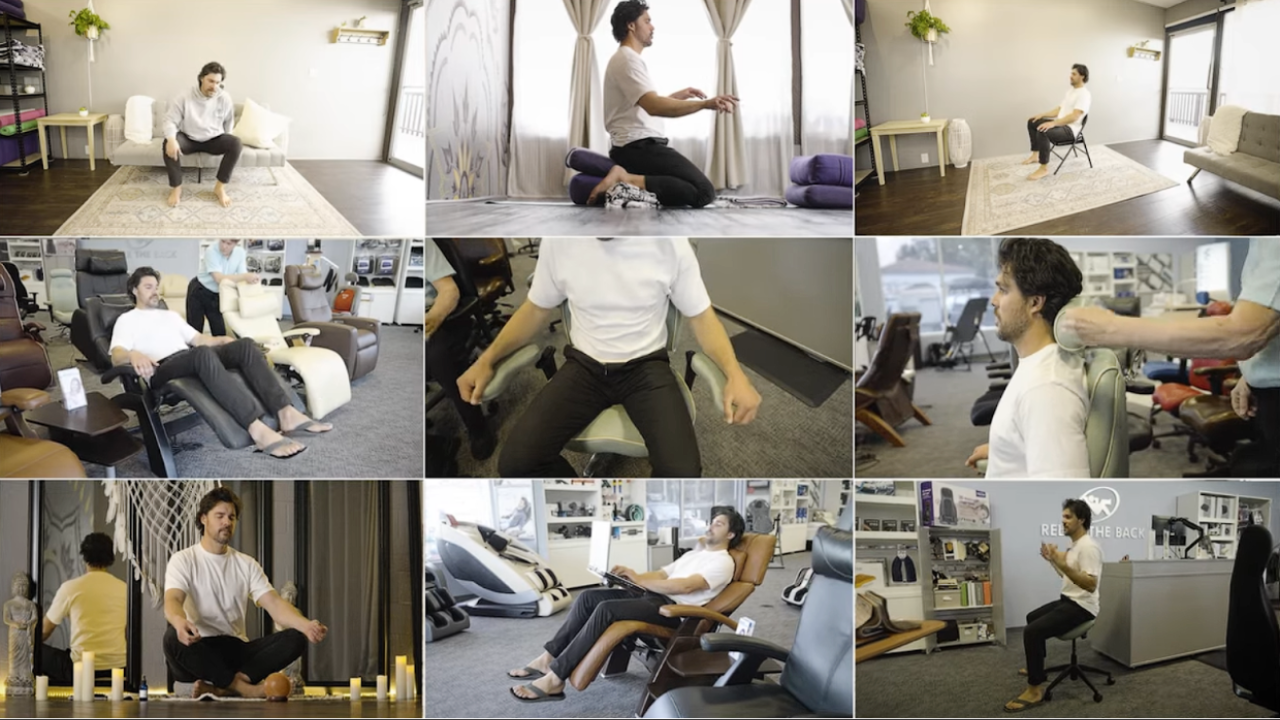
How to sit with lower back pain? Well, there are two kinds of people when it comes to sitting. Some of you can plop down in a chair and feel fine for hours. And then there are folks like me… for years, sitting was almost intolerable. Honestly, there were times I’d do anything to avoid it.
So I set out on a little experiment: what’s the best way to sit in the world, especially if you’re at a computer most of the day? I tested everything, chairs with and without lumbar support, cushy seats, firm benches, floor sitting with pillows, even kneeling setups. Some were better than others, but here’s what I learned.
Floor Sitting: Great in Theory, Tough in Practice
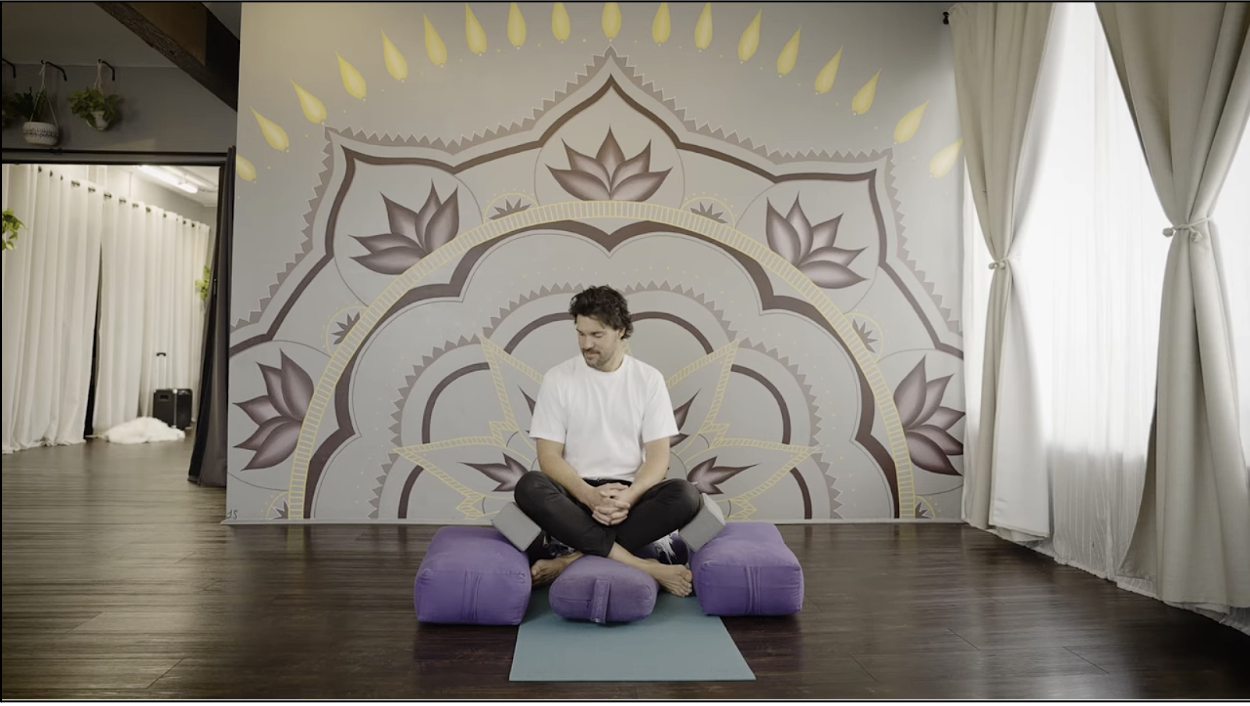
In many Eastern cultures, sitting on the floor is totally normal. And it does have one big perk: your core muscles stay active, which helps support your spine. The downside? Tight hips (like mine) don’t love it. Even with props and pillows, it wasn’t sustainable for long work sessions.
Traditional Chairs: Comfortable but Sneaky
Modern desk chairs feel easier at first, you can lean back, stay put, and focus on your work. But here’s the catch: when the chair does all the supporting, your core shuts off. That means your spine isn’t really supported by your body, and over time, those muscles weaken.
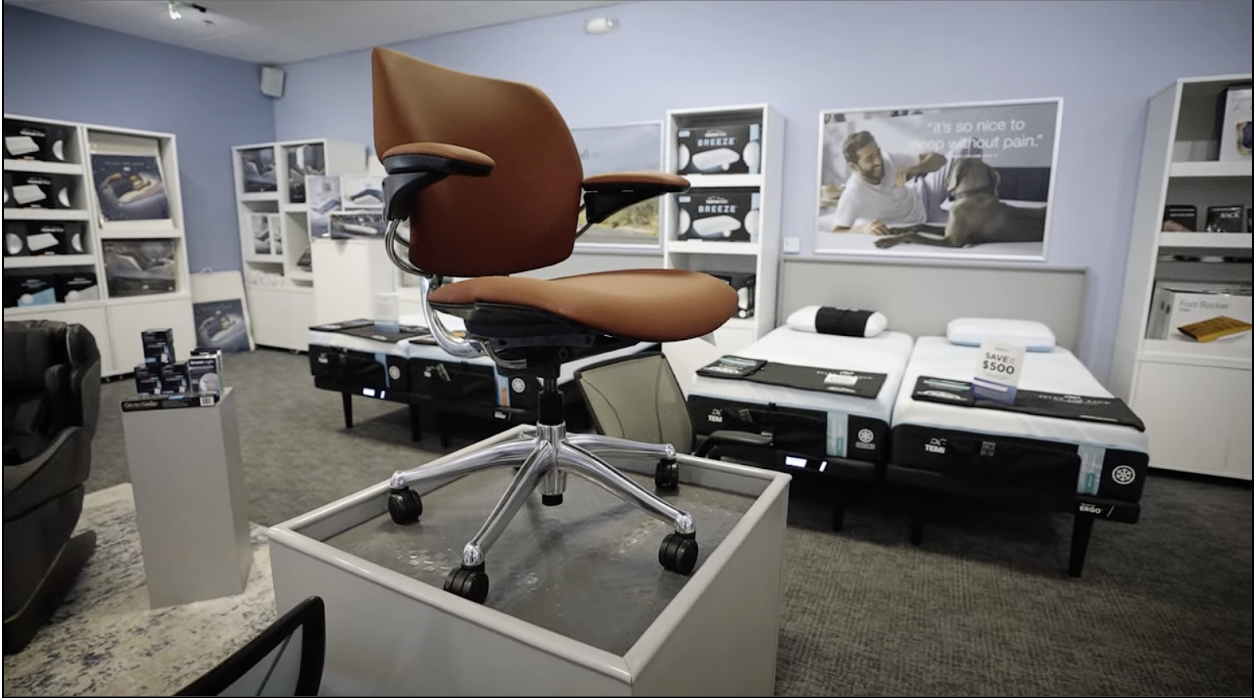
I tested different heights, cushions, reclined positions, you name it. Cushy chairs didn’t actually help my spine, just my sit bones. Reclining felt good on my lower back but wrecked my neck because I had to crane forward to see the screen. No single chair solved the problem.
The Big Realization
After a full day of trying different setups, something surprising happened: my back didn’t hurt. That had literally never happened before.
And that’s when it hit me, it wasn’t one magical chair. It was the variety.
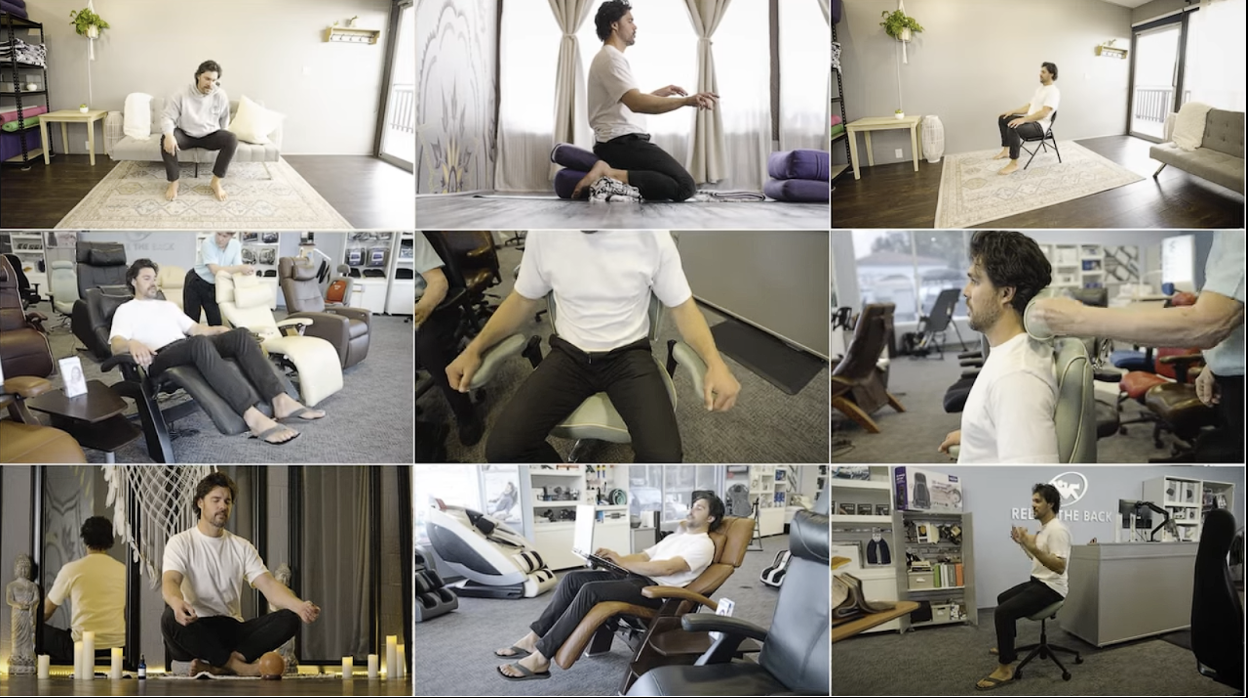
I had spent the day constantly shifting, floor to chair, tall stool to kneeling bench, firm to cushy. And that constant change gave my spine the micro-breaks it needed.
Why Variety Works
Here’s the deal: sitting puts more compressive force on your lumbar spine and discs than almost any other position. Stay there too long, and things start to ache. But if you change positions every 15-30 minutes, you break up those forces, improve blood flow, and keep your joints hydrated. In other words, you mimic what your body is actually built for: movement.

Fancy ergonomic chairs might look appealing, but those contoured designs can actually lock you into one posture. What’s more helpful are the levers and adjustments that let you change things up throughout the day, there’s that variety.
My Takeaway
There’s no single “perfect” way to sit. The best setup is one that gives you options, a flat, simple surface you can move around freely on, plus a few tools that let you switch positions easily. Variety really is the best medicine.
So if you’ve been chasing that one miracle chair to save your back, here’s the truth: it doesn’t exist. Instead, create a workstation that makes it easy to move. Rotate through positions, keep your core engaged, and don’t let your body get stuck.
Your spine will thank you, not just at the end of the workday, but for years to come.
Final Thought
There’s no finish line here, it’s all about experimenting until you find what works for you. For me, variety finally made sitting tolerable. Try a few different positions tomorrow, and see if your back feels different by the end of the day.
I’ll be back next week with another strategy to break out of the back-pain cycle. Until then, get down on the floor and connect to your core. And check out our 7 day free trial of Core Balance Training!